
My background
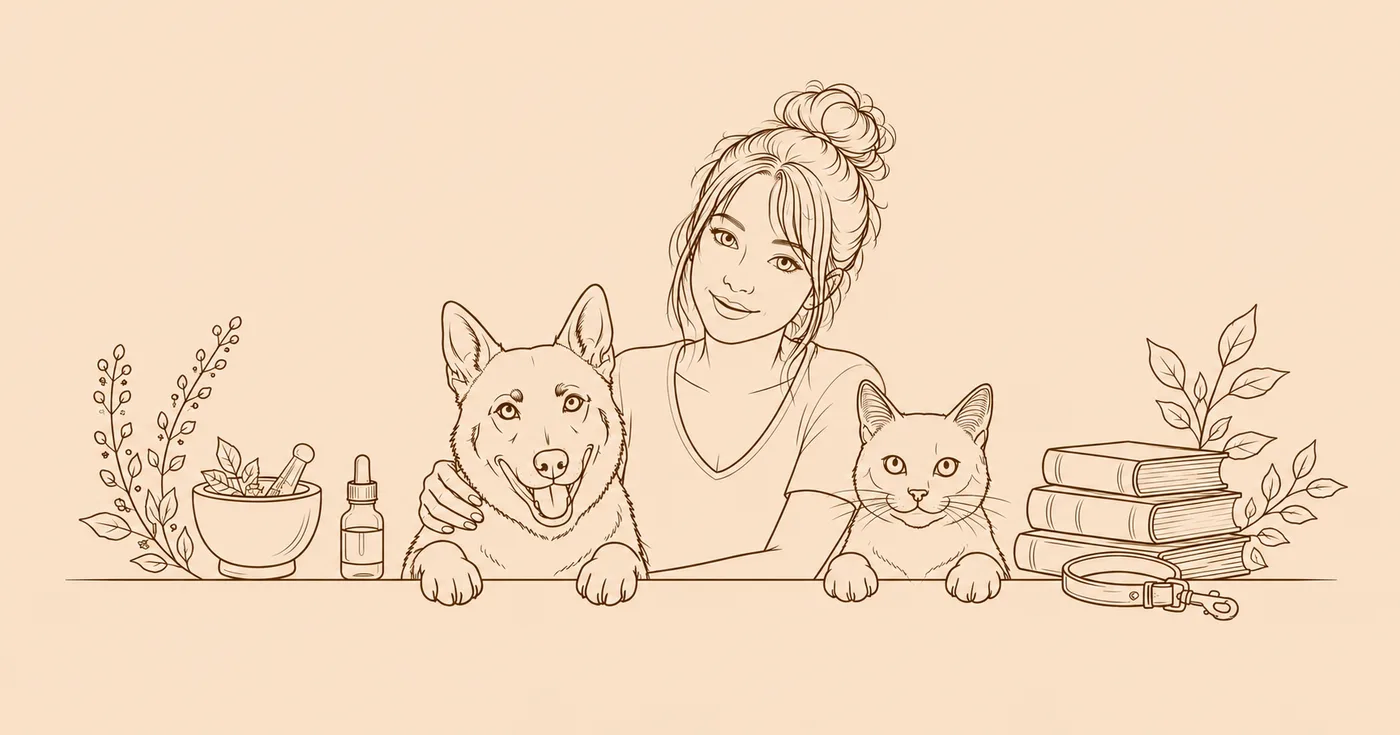
An animal behaviorist since 2007, I have trained in depth in animal psychology and ethology, with an approach that combines behavioral science, ethology and complementary therapeutic techniques. Here are the main areas of my training:
Animal psychology
- Learning theories: reward-based learning and intelligence
- Conditioning techniques
- Working dogs
- Guide dogs for the blind
- Animal societies
- Territory and hierarchy
- Primate societies
- Social behavior of the cat
- Pathological aggression
- Psychoanalytic theory: the concepts of drive and need
- The dog's instinctive life: instincts, heredity, behavior
Canine behavior disorders
- Introduction to human psychology
- Introduction to psychoanalysis
- Animals and their symbols, the animal psyche
- Dreams and sleep in animals
- Experimental neurosis (the Russian school, depressive states)
- The American school (Masserman's biodynamic theory)
- Ethology (observation)
- Behavioral abnormalities in dogs
- Psychotherapeutic techniques
- Range of therapies (hypnosis, body therapies, osteopathy, acupuncture, NLP, interview techniques…)
Therapies, canine anatomy and physiology
- Anatomy, physiology and the main diseases of the dog
- Psychosomatics
- Energy psychotherapy
- Reich's theory, bioenergetics
- The effects of massage: hormonal functions, massage techniques, clinical study
- Osteopathy
- Relaxation
- Schultz's autogenic training (method, technique…)
- NLP: changing unwanted behaviors, learning interview techniques
Feline behavior
- The behavioral development of the cat
- The prenatal period
- The neonatal period
- The transitional period
- The socialization period
- The role of the mother
- Acquiring self-control
- Learning: litter habits, hunting/predation, grooming, sensory homeostasis, detachment…
- The activity field: play, hunting, interactions, reproduction
- The isolation field
- The aggression field
- Communication systems: olfactory, tactile, visual and auditory
- Semiology and ethogram of the cat: feeding, elimination, somesthetic and centrifugal behaviors
- Interactions with the social environment
- Interactions with the physical environment
- Sexual and maternal behavior
- Pathological states and behavioral disorders
- Disorders in young and adult cats
- Disorders related to the living environment
- Treating feline psychopathology: pheromones, behavioral therapies